What Grade of Scrap Do I Have?
Identification of Scrap Metals.
1/30/20264 min read
Identifying Scrap Metal
Accurate identification of scrap metal is a fundamental requirement for maximising value and ensuring compliant disposal. Different metals attract markedly different pricing, processing routes, and end‑market demand. Misidentification or poor segregation can result in downgrades and lost revenue.
At Light FS, we advise clients to treat identification as the first step in effective scrap management.
Ferrous vs Non‑Ferrous
The initial classification should always determine whether material is ferrous or non‑ferrous.
Ferrous metals contain iron and are generally magnetic. This category includes iron, mild & other steels, cast iron, and ductile steel
Non‑ferrous metals are generally non‑magnetic (though some of the lower grade stainless steels can attract a magnet).
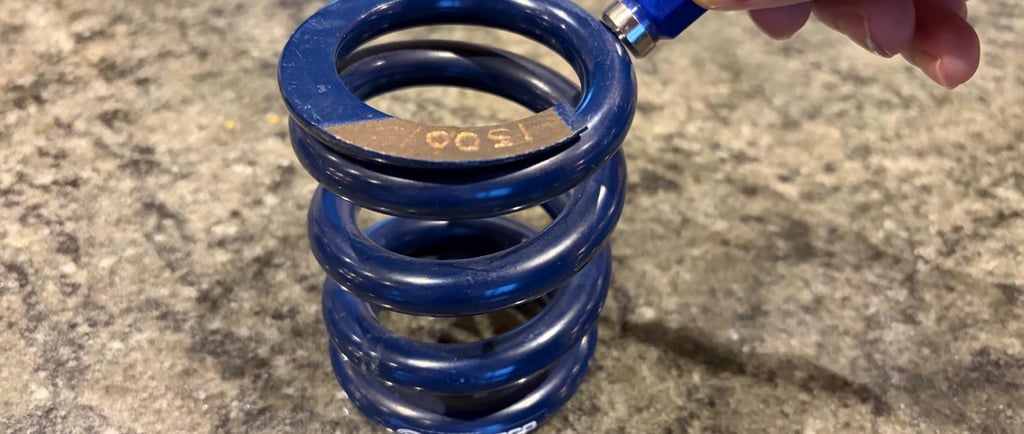
A simple magnet test remains one of the most effective early‑stage identification tools and should be standard practice at source.
Ferrous Grades
Light Iron. Probably the most common grade in the UK. Light gauge, mild steel used to manufacture filing cabinets, car body panels (though aluminium and composite materials are becoming more common in the automotive sector), light-weight racking, shelves, domestic appliance casings (be aware that Large-Domestic-Alliances-LDA's, are classified as a distinct waste grade, and refrigeration and some air-conditioning equipment is classed as Hazardous waste) Light iron can often have a higher % of non-metallics than other grades.
Steel Grades. Heavier gauge material than Light Iron. Typical sources include structural sections, plate, pipework, plant & machinery, heavy framework, and agricultural equipment.
Production Grades. Production grades including off-cuts, bar ends, and punchings, are generally uniform in composition with very low contamination. These types of material will generally attract a better price than general scrap.
Cast Iron. Cast iron is a heavier grade material with a visibly rougher surface, and brittle nature. It is commonly found in engine blocks, old machinery housings, some (though not all) manhole covers, and some radiators (though pressed steel and aluminium panel units are becoming more popular). It can be confused with Ductile Iron. Today, due to cost and manufacturing complexity, cast iron is utilised to a far lesser degree than in the past. An easy way to distinguish cast iron from other grades is that cast will easily fracture when subjected to impact and will exhibit a coarse, grainy internal structure.
Ductile. Ductile Iron is often mistaken for standard cast iron. Ductile is more durable than cast, with improved tensile strength, flexibility, and impact resistance. Generally more expensive 'raw' material but a similar scrap value to cast.
Turnings. Turnings/swarf/borings are generally less dense, often with a residual % of cutting lubricant, and will generally attract a lower price than 'solid' material of the same grade.
Stainless Steel
Stainless steel identification requires greater care. Stainless steel prices vary widely by grade. Please see the separate article on this blog for a more detailed explanation of the various grades
Some stainless steels are magnetic, while others are not—meaning magnetism alone is not a definitive test.
Stainless steel is widely used in food processing equipment, catering, marine, production, and petrochemical sectors. Often multiple grades can be found in single assemblies. When dealing with non-production grades specialist XRF analysis will often be required to determine the specific grade.
Aluminium
Aluminium is lightweight, non‑magnetic, and silvery in appearance. It does not rust, although oxidation may dull the surface. Common applications include window frames, extrusions, cladding, vehicle components, and some packaging.
Galvanised mild steel is often mistaken for aluminium but a simple magnet test will determine if this is the case.
Zinc die castings can also be mistaken for aluminium, generally attracting a lower price
Copper, Brass & Bronze
Copper
Copper is easily identified by it's distinctive colour (though can become green with age). Clean, bright, uncoated copper, in wire or off-cuts, commands the highest scrap values. Copper is non‑magnetic, soft, and commonly found in electrical cabling, motors, transformers, and plumbing. Some steel wires (in particular that used for MIG welding applications) have a copper coating which can lead to misidentification
Brass and Bronze
Brass and bronze are copper alloys: Brass is actually a bronze, the latter is the overall term but the popularity of brass as a grade leads to it being (incorrectly) classed as a separate material rather than a member of the bronze family.
Brass appears yellow or gold and is commonly used in valves, taps, fittings, and decorative components.
Other Bronzes include aluminium bronze (often used in marine applications such as propellers), phosphor bronze (flywheels and similar), manganese bronze, and gun metal. With the exception of aluminium bronze, which has a golden colour similar to brass, bronzes are generally darker, with, to different degrees, brown or reddish hues. Bronzes are often found in some valves, bearings, bushes, and gearing.
Lead
Lead is dense, soft, and dull grey. It can be easily scored with a tool and is most often associated with roofing, flashing, weights, nuclear installations, and legacy pipework.
Lead has always been an attractive target for thieves. Indeed, lead theft has been a documented issue since Roman times. Ensuring secure storage of scrap lead (along with all high-value materials) prior to disposal should be a priority.
The rise of lead theft has led to the use of other materials, of no or minimal resale value, being used as a replacement.
Best‑Practice Identification Principles
Light FS recommends the following practical controls:
For production scenarios, conduct identification at the point of generation
Use magnet tests and visual inspection.
Keep material streams segregated and clearly labelled
Avoid mixing where uncertainty exists
Escalate complex or high‑value alloys for specialist assessment
Light FS Perspective
Correct scrap metal identification underpins pricing accuracy and market optimisation. At Light FS, we support clients by assessing material streams, advising on segregation strategies, and aligning scrap presentation with market requirements.
Contact
Helping you manage all areas of material disposal.
Phone
info@lightfs.com
© 2025. All rights reserved.