Improving the Way Businesses Manage Scrap Metal
12/16/20253 min read
Improving the Way Businesses Manage Scrap Metal
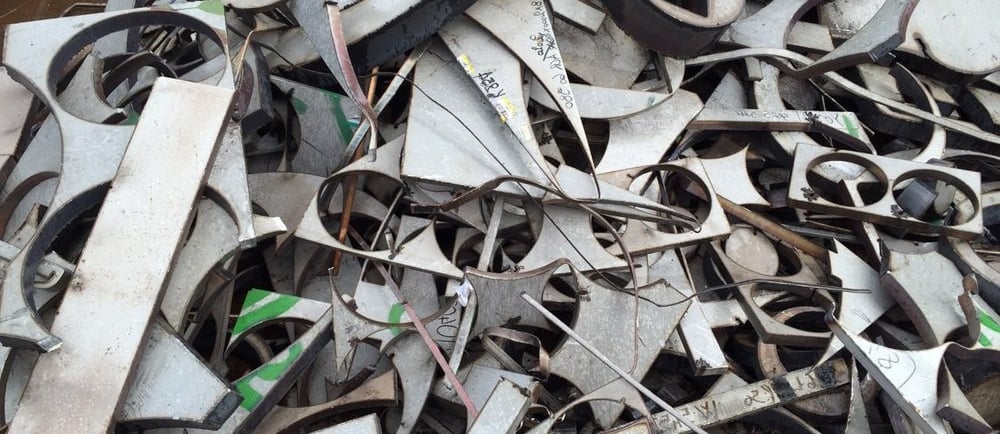
Most businesses generate scrap metal in some form—whether through manufacturing processes, maintenance activities or equipment replacement. For some scrap metal is a relatively insignificant by‑product, for others, it can represent a significant financial opportunity and a sustainability advantage when managed correctly. Improving how a business disposes of its scrap metal starts with treating it as a marketable commodity rather than a waste.
Understand What Scrap You Generate
The first step in improving scrap metal disposal is gaining a clear understanding of the materials being produced. For businesses generating multiple metal types, each will have a different market value and potential recycling route.
Conducting a thorough, cradle-to-grave audit of scrap metal streams—identifying metal types, comparing material volume, frequency, and contamination levels—allows a business to make informed decisions about segregation, storage, and sales channels. In some cases, valuable material can be downgraded simply because it is mixed with other grades, or simply misidentified.
Segregate at Source
Scrap buyers place a premium on clean, single-grade material. One of the most effective ways to improve scrap disposal outcomes is segregation at source. Separating metals by type as they are generated prevents cross‑contamination and can significantly increases their resale value.
Clear signage, designated bins, and basic staff training can make a substantial difference with minimal investment. For higher‑value materials such as stainless steel or non‑ferrous metals, even minor contamination with carbon steel or non-metallics can result in significant price reductions.
Where possible, businesses should aim to avoid mixing production scrap with general site scrap. Simple process improvements can reduce handling time and increase recovery rates without disrupting operations.
Identify and Minimise Potential Loss Vectors
To maximise returns from scrap metal arisings, it is essential that a business is paid for both the correct value and the correct quantity of material generated. While the UK metal recycling industry has a mixed public reputation, this perception is often shaped by historical issues and exaggerated portrayals in crime‑fiction media, where scrap businesses are depicted as centres of illicit activity. In reality, the vast majority of metal recycling companies are well‑established, reputable operators.
The primary commercial risk when selecting a disposal route typically lies not in malpractice, but in choosing an inappropriate recycler. Recyclers vary significantly in size, processing capability, and specialisation. Selecting a buyer that lacks the scale or technical expertise to handle a particular material stream can result in unnecessary downgrades, reduced pricing, or inefficient logistics.
In addition to recycler selection, material security must be carefully considered, both on site and during transit. Scrap metal—particularly high‑value non‑ferrous or alloys—can be vulnerable to loss at multiple stages. These loss vectors range from opportunistic theft through to organised criminal activity targeting valuable and poorly controlled material streams.
Internal risks must also be acknowledged. Staff, contractors, and hauliers can, in some cases, represent significant exposure if adequate controls, oversight, and verification processes are not in place. Without proper safeguards, even small, repeated losses can materially affect overall scrap revenues.
Many of these risks can be effectively mitigated through relatively simple measures. The use of site‑specific, lockable containers, clear segregation of materials, controlled access, and robust inventory management all reduce exposure. Equally important is the implementation of independent weight verification, either through on‑site weighing systems or trusted third‑party checks, to ensure accuracy, transparency, and accountability throughout the process.
Work With the Right Partners
Choosing the right recycling or trading partner is critical. While general scrap dealers may be suitable for low‑grade materials, more complex or higher‑value scrap often benefits from specialist marketing.
Light FS can help identify the most appropriate end users, whether they are local recyclers, regional operators, or specialist processors. This approach often delivers better pricing, improved transparency, and reduced risk.
Track Value and Performance
Monitoring scrap volumes, revenues, and disposal costs helps businesses understand the true impact of scrap management. Regular reviews can highlight opportunities for improvement, support sustainability reporting, and demonstrate compliance with internal and external benchmarks and objectives.
Some businesses are surprised at the impact that improved scrap management can have on both revenue streams and workplace efficiency.
Sustainability and Compliance
Effective scrap metal disposal supports wider sustainability goals by reducing landfill use, conserving natural resources, and lowering carbon emissions associated with primary metal production. From a compliance viewpoint, traceability and the correct waste transfer documentation is essential to satisfy regulatory requirements and demonstrate responsible waste management.
Light FS assists businesses in understanding materials, segregating effectively, reducing contamination, and marketing scrap strategically. The aim is to achieve better financial returns, improved operational efficiency, and a more sustainable approach to resource management.
Contact
Helping you manage all areas of material disposal.
Phone
info@lightfs.com
© 2025. All rights reserved.